
BLOG
News – March, 2nd, 2026
DISCOVERING ARGENTINA THROUGH ASADO: WHERE FIRE BECOMES CULTURE
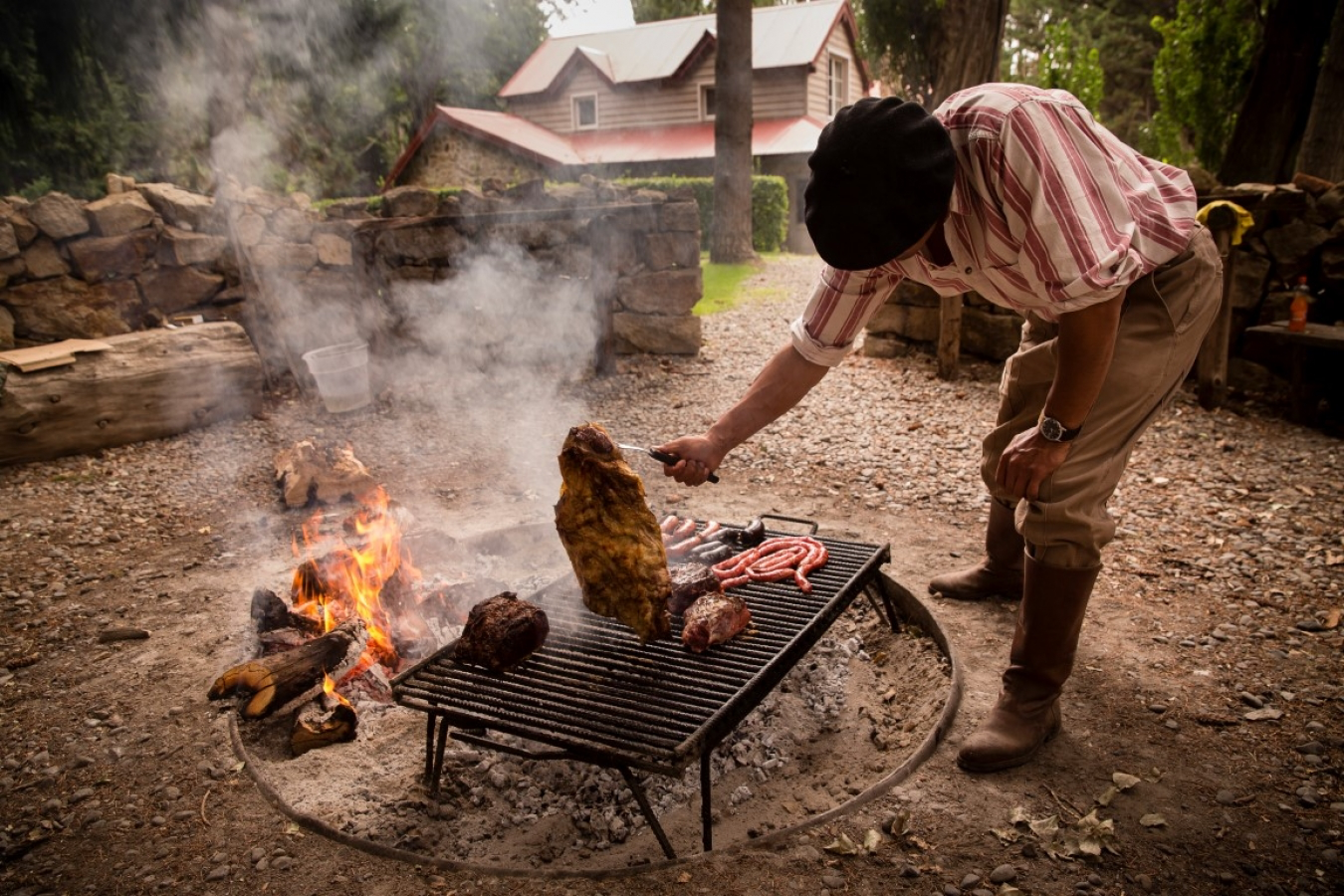
If you want to understand Argentina, don’t start with tango. Don’t even start with wine.
Start with fire. Many of the dishes considered “traditional” in Argentina — empanadas, torta fritas and hearty stews — arrived with immigrants from Spain, Italy and even Middle East. They became part of the national table, woven into everyday life. But asado is something else entirely. It was not brought across the ocean. It was born here, under open skies.
Across the vast Pampas, cattle introduced by the Spanish multiplied endlessly. The land was generous, the horizon infinite. For centuries, leather and tallow were more valuable than meat itself. Travelers wrote in disbelief about entire animals being slaughtered for just a few prized cuts, while the rest was left behind in times of astonishing abundance.
But beyond abundance, there was fire.
Nearly two million years ago, humans learned to control it. In Cocinar: Una historia natural de la transformación, Michael Pollan explains how cooking transformed us as a species. Fire made food easier to chew and digest, freeing energy that allowed our brains — and our societies — to grow. Cooking did not just change our diet; it changed our destiny.
In Argentina, that ancient relationship with flame became ritual.
Early chronicles describe improvised ovens built from the very carcass of a cow, fires lit with tallow and dried dung, ribs carved and shared as they cooked. It was raw, elemental, communal. Later, in the 19th century, figures such as Juan Manuel de Rosas were praised for their skill at the asador — meat skewered on iron crosses and slowly roasted beside glowing embers.
Asado was never about luxury. It was about gathering. Any person who could tend a fire could participate. There were no rigid hierarchies around the flames — only patience, instinct, and time.
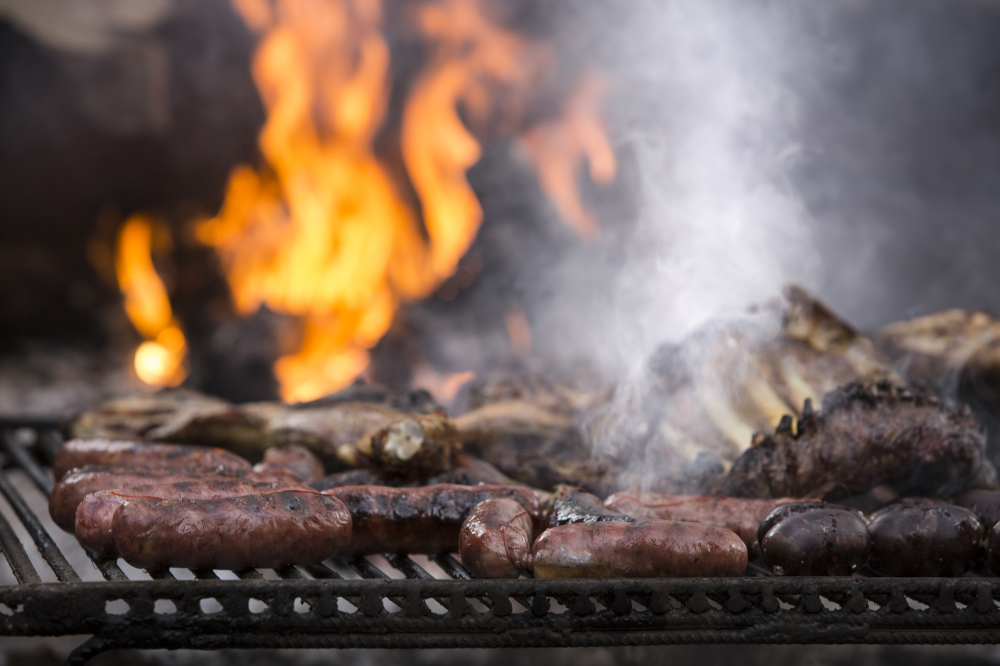
And that spirit survives. Today, an Argentine asado is not fast food. It is a slow choreography. The careful building of embers. The quiet authority of the asador. The aroma of wood smoke drifting through the air. Conversations unfolding over hours. Laughter rising as the first cuts are shared.
And that spirit survives.
Today, an Argentine asado is not fast food. It is a slow choreography. The careful building of embers. The quiet authority of the asador. The aroma of wood smoke drifting through the air. Conversations unfolding over hours. Laughter rising as the first cuts are shared.
For a traveler, experiencing asado is stepping into something older than the nation itself. It is tasting the grasslands in a perfectly grilled rib. It is feeling the rhythm of a culture that values time, connection, and simplicity. It is understanding that here, food is not rushed — and neither is life.
Come to Argentina for the landscapes, for Patagonia, for Mendoza’s vineyards, for Buenos Aires’ energy, but stay for the fire, because around an Argentine asado, you are not just a visitor, you are part of the circle.